
 Min. order: 50 pieces
Fancy Payali
Wholesale price on request
Get quote →
Step 2 of 4 · Made by hand, the Moradabad way
Rough castings become clean, balanced pieces — filed, turned on the lathe and joined by hand.

The story
A casting straight from the sand has rough edges and marks from the mould. Craftsmen file these away by hand, working around each piece until every edge is smooth and even.
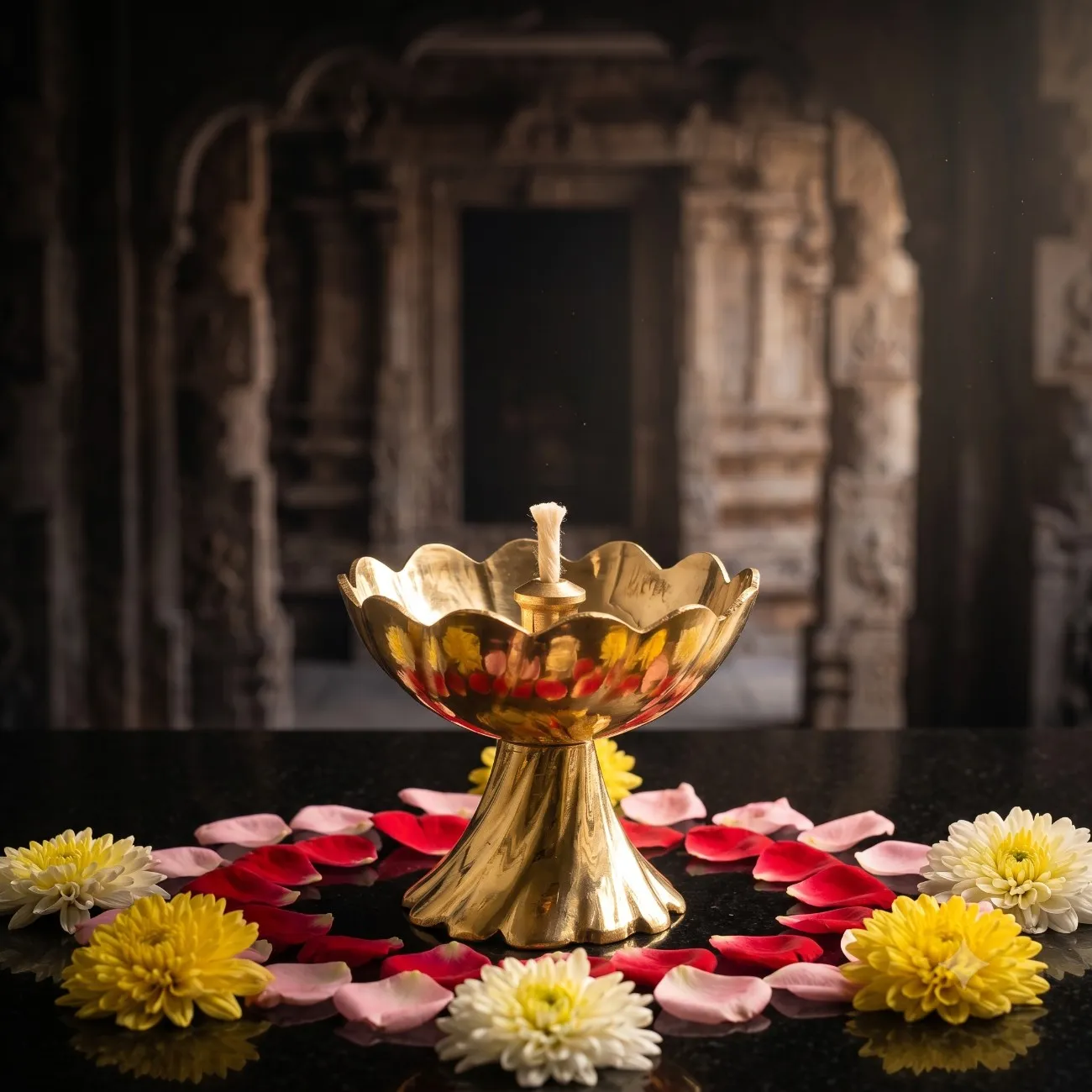
Round pieces such as lotas, kalash and diya bowls are turned on the lathe, where the metal is shaped and smoothed as it spins. This is what gives them their even walls and clean, balanced curves.
Many designs are made of several parts — a base, a stem, a bowl, a handle. These are fitted and joined by hand so the piece stands level, lids sit properly and nothing wobbles on the shop shelf or in the pooja room.
Stage by stage
Rough edges and casting marks are removed with files, by hand.
Round pieces are spun and shaped for even walls and smooth curves.
Bases, stems and handles are fitted and joined firmly together.
Every piece is checked to stand level, with lids and parts that fit well.
Made this way
Min. order: 50 pieces
 Min. order: 50 pieces
 Min. order: 50 pieces
 Min. order: 50 pieces
 Min. order: 50 pieces
 Min. order: 50 pieces
 Min. order: 50 pieces
 Min. order: 50 pieces